
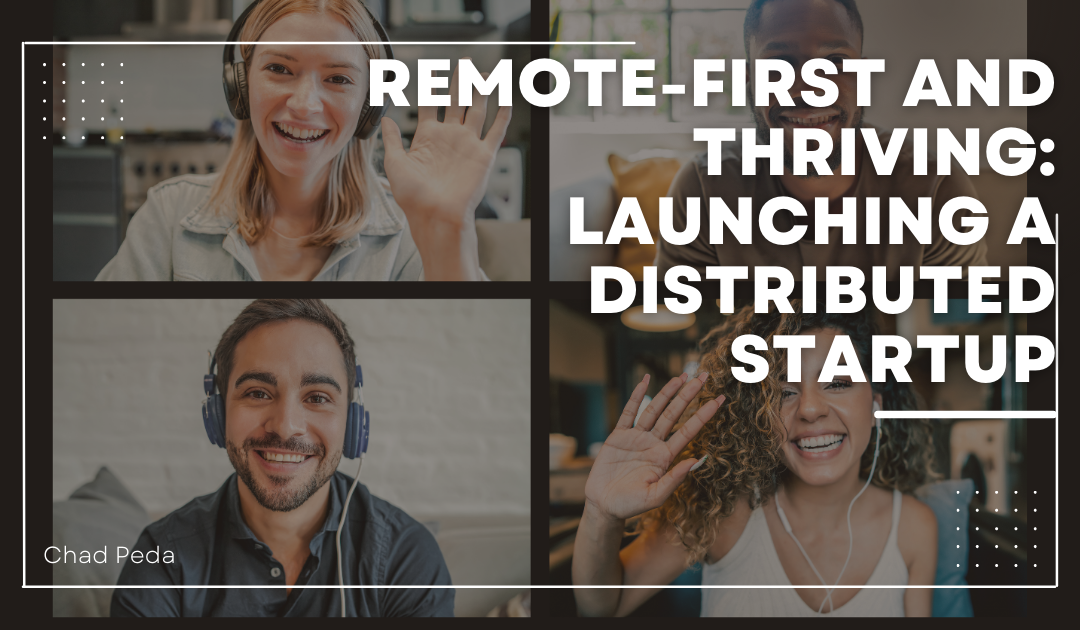
In the evolving world of business, remote-first startups have become more than a trend—they’re a proven model for building resilient, cost-effective, and globally connected companies. In 2025, launching a distributed startup is not only practical, it’s often the smartest path for founders looking to maximize flexibility, access talent, and scale operations without the overhead of a physical office.
Remote-first doesn’t mean simply allowing employees to work from home—it means building a business from the ground up with remote work as the default mode. Every tool, process, and communication method is designed with a distributed team in mind. For early-stage founders, this approach can drastically reduce startup costs and open up opportunities for hiring talent from anywhere in the world.
The pandemic years taught companies how to adapt, but the lessons have stuck. Founders now see that productivity doesn’t depend on being in the same building. Instead, it depends on clarity, communication, and a shared culture. Platforms like Slack, Zoom, Notion, and Asana have become the virtual headquarters for remote startups. These tools help teams stay connected, align on goals, and move quickly without unnecessary meetings or miscommunication.
One of the biggest benefits of launching a remote-first startup is access to a truly global talent pool. No longer limited by geography, founders can hire the best designers in Brazil, the sharpest developers in India, or the most creative marketers in the Philippines. This approach not only improves the quality of your team but often reduces labor costs and increases diversity—two major advantages for any business.
Culture is one of the most talked-about aspects of distributed teams. Without a physical office, it’s crucial to build culture intentionally. Successful remote startups make time for virtual hangouts, weekly team check-ins, and shared rituals that foster connection. They encourage asynchronous communication to respect different time zones and working styles. When done right, remote culture can be even stronger than traditional office culture—because it’s built on trust, autonomy, and intentionality.
Remote-first also allows startups to scale smarter. Instead of locking into long-term leases or expanding office space, startups can focus on growing their customer base and team in parallel. This flexibility makes it easier to pivot, test new ideas, and weather economic shifts. Founders don’t have to worry about geographic relocation or high overhead; they can invest that capital into product development, marketing, and customer success.
That said, launching a distributed startup also comes with its own challenges. Onboarding can feel isolating without in-person interaction, and miscommunication can arise without visual cues. Founders must be proactive about setting expectations, documenting processes, and creating systems that allow for transparency and accountability.
Leadership plays a critical role in the success of remote-first companies. Leaders need to communicate frequently, celebrate wins publicly, and create psychological safety within the team. It’s also important to prioritize outcomes over hours. Trusting your team to deliver results, rather than tracking when they’re online, leads to better morale and stronger performance.
In 2025, many of the world’s fastest-growing startups are remote-first by design. From solo founders building software companies to small teams running global e-commerce brands, the remote model is powering a new generation of entrepreneurs. It’s not just about lifestyle—it’s about efficiency, agility, and opportunity.
Whether you’re bootstrapping your startup or seeking investment, being remote-first can be a selling point. Investors increasingly see the value in lean, distributed operations. With fewer fixed costs and a flexible team, remote-first startups often demonstrate better runway management and faster time to market.
The remote-first model is here to stay, and for entrepreneurs who embrace it early, the advantages are clear. With the right digital infrastructure, a strong remote culture, and a global mindset, founders can launch and grow thriving businesses—no office required.